


U.S. News & World Report has rated over 12,000 home health agencies. Learn how the rankings work and why they matter for your care and coverage decisions.

A long-term care event can drain your savings and burden your family. Learn why planning ahead with long-term care insurance protects everyone you love.

Where you go for care can affect your bill by thousands. A practical guide to choosing between the ER, urgent care, telehealth, and your primary care doctor.

Health insurance covers medical bills, but disability insurance protects your paycheck. Learn how short- and long-term coverage works and why it matters.

This guide shows how HSAs work, their tax benefits, and how employers can help employees use them effectively for healthcare and long-term savings.
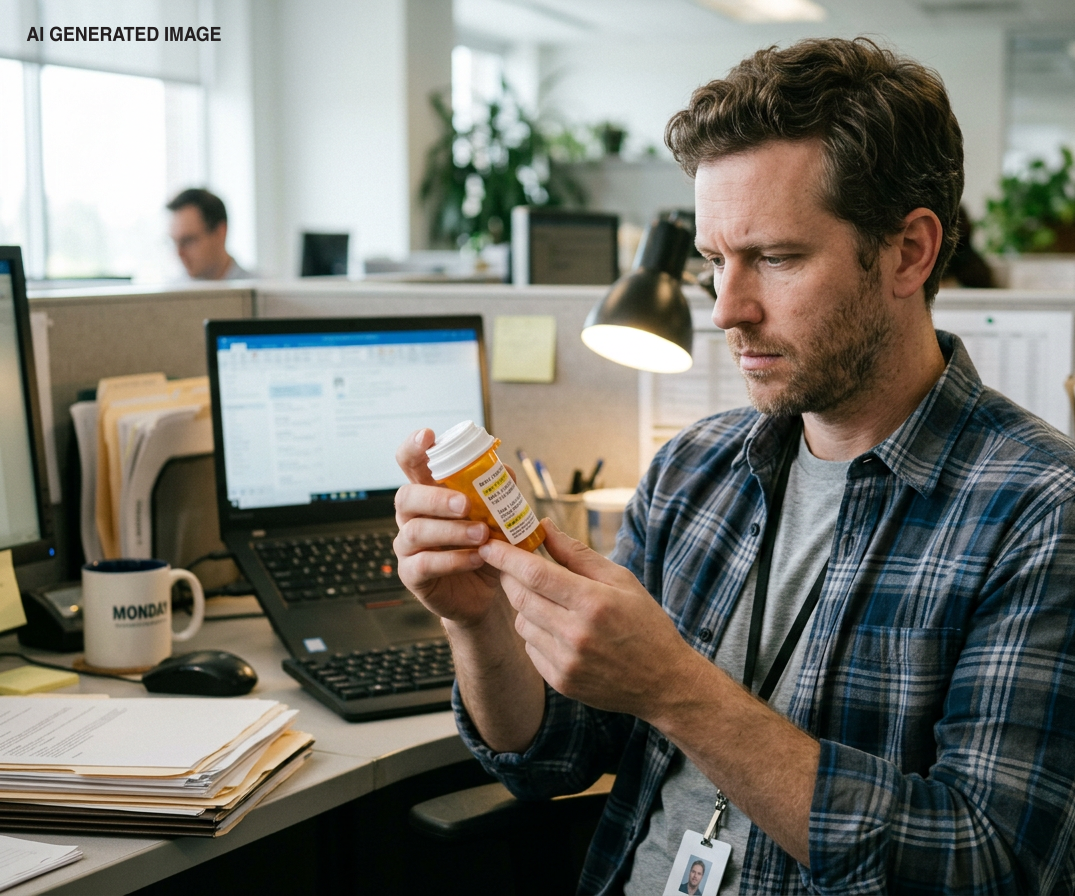
Learn how potential cannabis reclassification could impact workplace policies, drug testing, and employee accommodations for employers nationwide.

Discover how regular exercise can boost mood, reduce depression symptoms, and support mental health with simple, achievable daily movement.

Learn how to cope with empty nest emotions, support your child’s independence, and embrace new opportunities during this next stage of life.

Learn how hospital indemnity insurance provides cash benefits to help cover out-of-pocket costs, lost income, and everyday expenses during a hospital stay.

Retirement can change relationship dynamics quickly. Learn how couples can adjust to spending more time together, manage expectations, and build a fulfilling new routine.

Turning 73 soon? Learn when RMDs start, how they’re calculated, key deadlines, and strategies to avoid penalties and manage taxes in retirement.
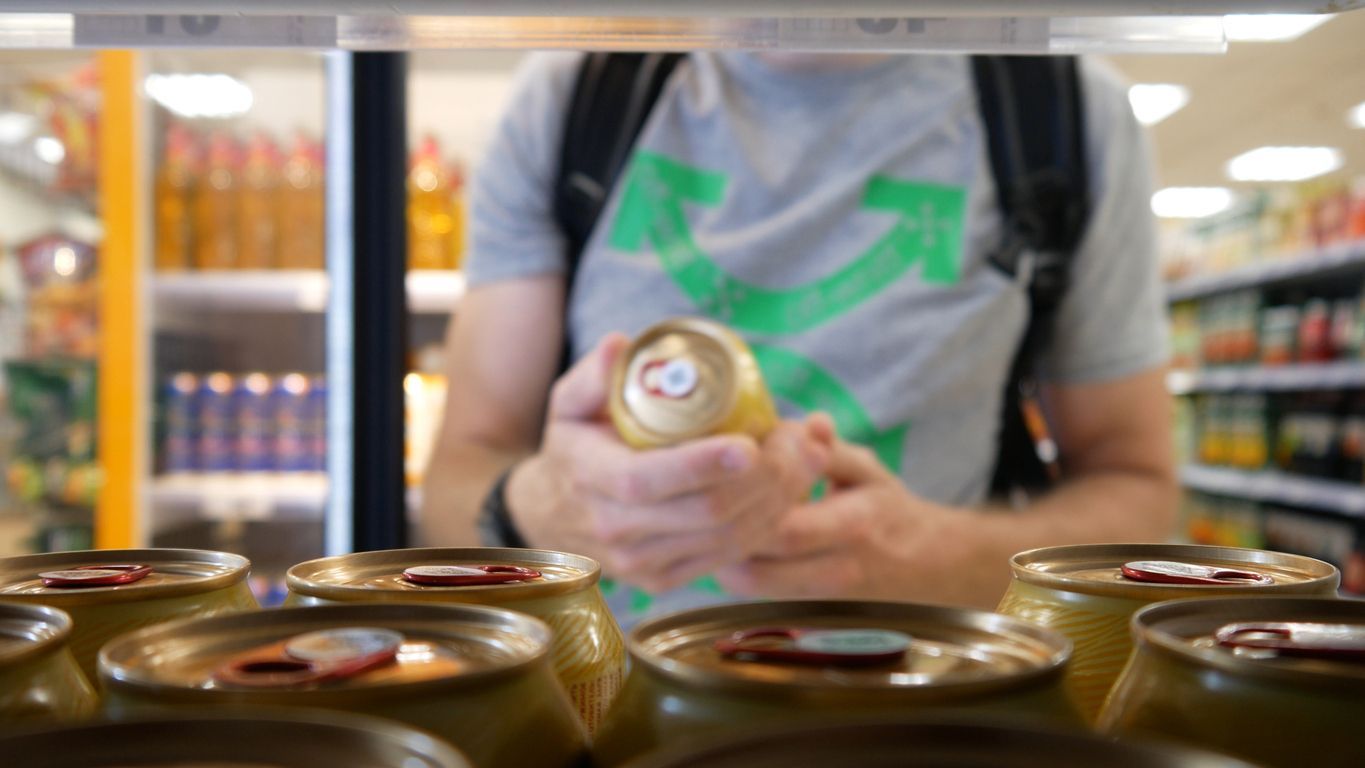
As the summer sun beckons and thirst levels rise, it's tempting to reach for a cold, fizzy beverage. But before you pop open that soda can, consider this: your drink choice has long-term implications for your health. The Hidden Risks in Your Glass A comprehensive study by the International Agency for Research on Cancer (IARC) analyzed data from over 451,000 individuals across 10 European countries over a 16-year period. The findings revealed that consuming two or more 250 ml glasses of soft drinks daily—whether sugar-sweetened or artificially sweetened—was associated with a higher risk of all-cause mortality compared to those who drank less than one glass per month . Delving deeper: Artificially Sweetened Beverages : Individuals consuming two or more glasses daily had a 26% higher risk of death compared to those who consumed less than one glass per month. Specifically, there was a 52% increased risk of death from circulatory diseases . Sugar-Sweetened Beverages : Those consuming one or more glasses daily faced a 59% higher risk of death from digestive diseases . All Soft Drinks : A notable association was found between soft drink consumption and increased mortality from Parkinson's disease . Alternatives That Aren’t Any Healthier Think fruit juice or energy drinks are a safer bet? A study involving 13,440 U.S. adults aged 45 and older found that each additional 12-ounce serving of sugary beverages, including 100% fruit juice, was linked to an 11% higher risk of all-cause mortality. Specifically, each additional 12-ounce serving of fruit juice was associated with a 24% increased risk. Watch the sugar content of iced coffee beverages and alcoholic cocktails as well. Lifestyle Factors Matter, Too It's essential to note that high soft drink consumption often correlates with other unhealthy lifestyle choices. The IARC study observed that individuals who drank more soft drinks typically had higher body mass indexes and were more likely to smoke. Even after adjusting for factors like diet, physical activity, smoking, and education, the association between soft drink consumption and increased mortality risk remained significant . Refreshing Alternatives for the Season Looking to quench your thirst without compromising your health? Here are some delightful, healthier options: Infused Water : Add slices of citrus fruits, cucumbers, or berries to your water for a refreshing twist. Herbal Iced Teas : Brew teas like hibiscus or mint, chill them, and enjoy over ice. Sparkling Water with a Splash : Mix sparkling water with a splash of 100% fruit juice for a fizzy treat. Homemade Lemonade : Use fresh lemons, water, and a touch of natural sweetener like honey or stevia. Coconut Water : A natural source of electrolytes, perfect for rehydration. Final Thoughts Summer is a time for relaxation and enjoyment. By making informed beverage choices, you can savor the season while prioritizing your health. So, the next time you're reaching for a drink to beat the heat, consider these healthier alternatives. Your body will thank you!