

Helping Employees Understand the Value of HSAs
May 27, 2026

A simple guide for employers to help teams maximize HSA benefits


Health Savings Accounts (HSAs) are one of the most powerful, and often underutilized, tools in an employer’s benefits package. While many employees have heard of HSAs, fewer fully understand how they work or how much value they can provide over time. As an employer, helping your team understand HSAs can lead to better engagement, smarter healthcare spending, and increased appreciation for your benefits offerings.


Below is a basic primer on the value of HSAs that you can share with your employees, or weave into your enrollment and education materials. For some of your team members, HSAs may be the most important benefit they aren’t using.


Why HSAs Are So Valuable


HSAs offer a unique combination of tax advantages and flexibility that make them stand out from other healthcare accounts.


Triple tax advantage
HSAs are one of the only accounts that offer three layers of tax benefits:


  • Contributions are tax-deductible
  • Funds grow tax-free
  • Withdrawals for qualified medical expenses are tax-free


Funds never expire
Unlike FSAs, HSA funds roll over year after year. Employees can build a balance over time and use it when they need it, whether that’s next month or years down the road.


Employee ownership
The account belongs to the employee, not the employer. If they change jobs or retire, the funds go with them.


Long-term savings potential
Some HSA providers allow employees to invest their balances, turning HSAs into a valuable tool for saving toward future healthcare expenses, including costs in retirement.


What HSAs Can Be Used For


HSA funds can be used for a wide range of qualified medical expenses, including:


  • Doctor visits and hospital services
  • Prescription medications
  • Dental and vision care
  • Medical equipment and supplies


In many cases, these expenses can be paid directly from the HSA or reimbursed later.


How Employees Enroll in an HSA


To open and contribute to an HSA, employees must be enrolled in a qualified High Deductible Health Plan (HDHP).


Enrollment typically happens during:


  • Open enrollment, or
  • A qualifying life event


Once enrolled in an eligible plan, employees can:


  • Elect HSA contributions through payroll deductions
  • Receive employer contributions, if offered
  • Set or adjust contribution amounts (within IRS limits)


How Employees Use Their HSA


One of the most common questions employees have is: “How do I actually use the money in my HSA?”


The great answer is that there are a few flexible options.


1. Pay directly from the HSA
Most HSA accounts come with a debit card that employees can use to pay for qualified expenses at the time of service.


2. Pay out of pocket and reimburse later
Employees can choose to pay for medical expenses themselves and reimburse themselves from their HSA at any time—even years later, as long as they keep proper records.


3. A combination of both
Many employees use a mix of both strategies, covering some expenses directly while allowing their HSA balance to grow for future needs.


Supporting Employee Understanding


Because HSAs are different from other parts of a traditional healthcare plan, education is key. Employers can help by:


  • Providing simple, clear explanations during enrollment
  • Offering real-life examples of how HSAs are used
  • Encouraging questions and ongoing engagement
  • Highlighting both short-term and long-term benefits of HSAs


Key Takeaway


HSAs are more than just a way to pay for healthcare, they’re a financial tool that can support employees both now and in the future. By helping your team understand how HSAs work and how to use them effectively, you’re not just offering a benefit, you’re helping them build financial confidence and security. Education on HSAs demonstrates your business’s commitment to your employees’ overall health and well-being.

Share

Browse Recent Posts

Caregiver helping an elderly couple with a document in a cozy living room
June 24, 2026
U.S. News & World Report has rated over 12,000 home health agencies. Learn how the rankings work and why they matter for your care and coverage decisions.

Man in a kitchen leans on a counter in front of an open book, with a blurred woman in the background.
June 17, 2026
A long-term care event can drain your savings and burden your family. Learn why planning ahead with long-term care insurance protects everyone you love.

Woman helping boy with shin injury sit on grass near a bike in a sunny park
June 10, 2026
Where you go for care can affect your bill by thousands. A practical guide to choosing between the ER, urgent care, telehealth, and your primary care doctor.

Woman sitting on a pink-covered couch, holding a cup in a bright living room.
June 4, 2026
Health insurance covers medical bills, but disability insurance protects your paycheck. Learn how short- and long-term coverage works and why it matters.

Man examining a prescription bottle at his desk in an office, with a laptop and papers nearby
May 20, 2026
Learn how potential cannabis reclassification could impact workplace policies, drug testing, and employee accommodations for employers nationwide.

Woman jumping rope in a gym, smiling in a gray shirt and blue headband, with exercise balls in the background
May 13, 2026
Discover how regular exercise can boost mood, reduce depression symptoms, and support mental health with simple, achievable daily movement. 

Graduate in cap and gown holding diploma, smiling with two people outdoors
May 6, 2026
Learn how to cope with empty nest emotions, support your child’s independence, and embrace new opportunities during this next stage of life.

A caregiver in scrubs holds the hand of a patient resting in a hospital bed, providing comfort and support.
April 22, 2026
Learn how hospital indemnity insurance provides cash benefits to help cover out-of-pocket costs, lost income, and everyday expenses during a hospital stay.

Two people in a bright room performing a yoga pose with arms extended, focusing on their movements.
April 15, 2026
Retirement can change relationship dynamics quickly. Learn how couples can adjust to spending more time together, manage expectations, and build a fulfilling new routine.

An individual at a wooden table with a laptop displaying spreadsheets, a calculator, and paperwork, working in a home.
April 8, 2026
Turning 73 soon? Learn when RMDs start, how they’re calculated, key deadlines, and strategies to avoid penalties and manage taxes in retirement.

A person wearing a light green jacket sneezes into their elbow while working on a laptop at a table.
April 1, 2026
Spring allergies can bring sneezing, congestion, and itchy eyes. Learn simple steps to reduce pollen exposure, manage symptoms, and make allergy season easier.
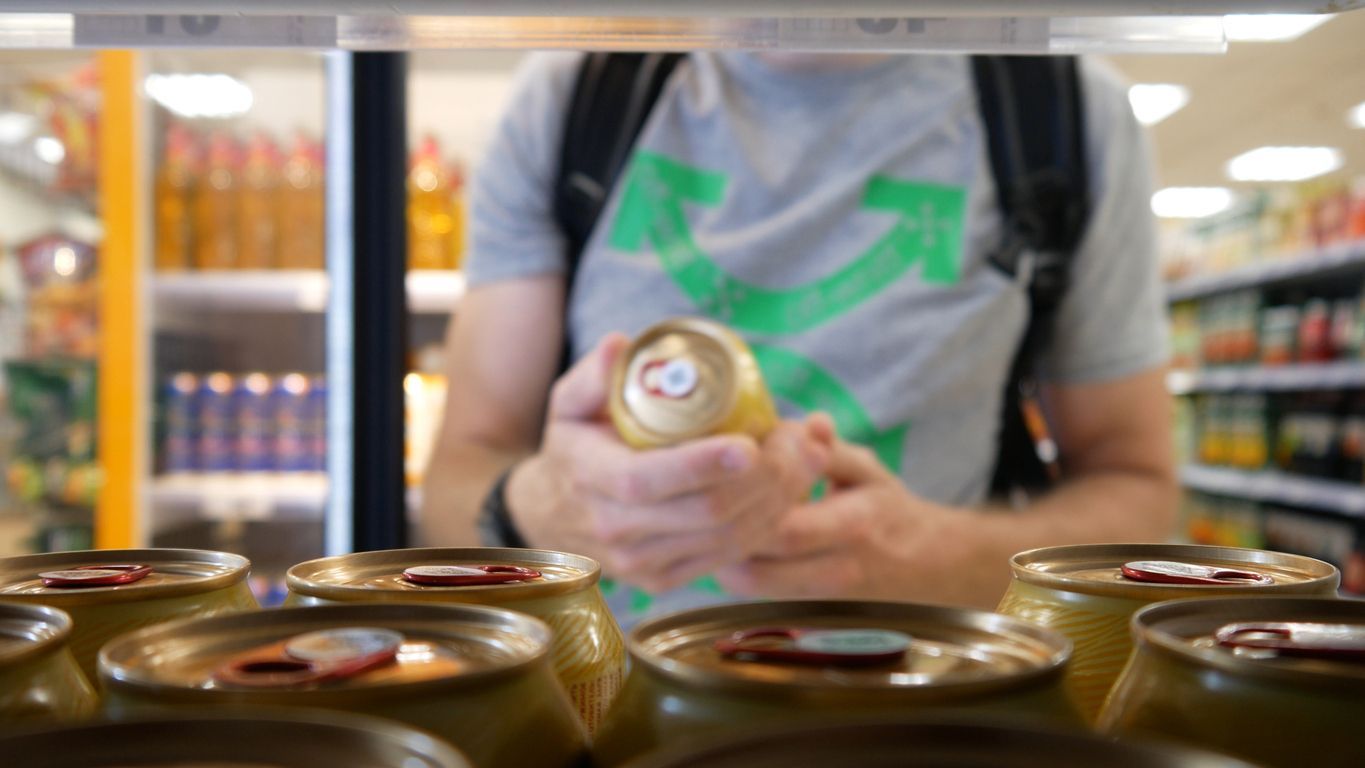
A person in a gray t-shirt examines a gold-colored can while shopping in a grocery store aisle filled with drinks.
By Agency Bloc January 6, 2026
As the summer sun beckons and thirst levels rise, it's tempting to reach for a cold, fizzy beverage. But before you pop open that soda can, consider this: your drink choice has long-term implications for your health. The Hidden Risks in Your Glass A comprehensive study by the International Agency for Research on Cancer (IARC) analyzed data from over 451,000 individuals across 10 European countries over a 16-year period. The findings revealed that consuming two or more 250 ml glasses of soft drinks daily—whether sugar-sweetened or artificially sweetened—was associated with a higher risk of all-cause mortality compared to those who drank less than one glass per month . Delving deeper: Artificially Sweetened Beverages : Individuals consuming two or more glasses daily had a 26% higher risk of death compared to those who consumed less than one glass per month. Specifically, there was a 52% increased risk of death from circulatory diseases . Sugar-Sweetened Beverages : Those consuming one or more glasses daily faced a 59% higher risk of death from digestive diseases . All Soft Drinks : A notable association was found between soft drink consumption and increased mortality from Parkinson's disease . Alternatives That Aren’t Any Healthier Think fruit juice or energy drinks are a safer bet? A study involving 13,440 U.S. adults aged 45 and older found that each additional 12-ounce serving of sugary beverages, including 100% fruit juice, was linked to an 11% higher risk of all-cause mortality. Specifically, each additional 12-ounce serving of fruit juice was associated with a 24% increased risk. Watch the sugar content of iced coffee beverages and alcoholic cocktails as well. Lifestyle Factors Matter, Too It's essential to note that high soft drink consumption often correlates with other unhealthy lifestyle choices. The IARC study observed that individuals who drank more soft drinks typically had higher body mass indexes and were more likely to smoke. Even after adjusting for factors like diet, physical activity, smoking, and education, the association between soft drink consumption and increased mortality risk remained significant . Refreshing Alternatives for the Season Looking to quench your thirst without compromising your health? Here are some delightful, healthier options: Infused Water : Add slices of citrus fruits, cucumbers, or berries to your water for a refreshing twist. Herbal Iced Teas : Brew teas like hibiscus or mint, chill them, and enjoy over ice. Sparkling Water with a Splash : Mix sparkling water with a splash of 100% fruit juice for a fizzy treat. Homemade Lemonade : Use fresh lemons, water, and a touch of natural sweetener like honey or stevia. Coconut Water : A natural source of electrolytes, perfect for rehydration. Final Thoughts Summer is a time for relaxation and enjoyment. By making informed beverage choices, you can savor the season while prioritizing your health. So, the next time you're reaching for a drink to beat the heat, consider these healthier alternatives. Your body will thank you!